- Film in Kyrgyzstan
- Guides
- Fixer and service company
What is a film fixer, and when do you need a production service company instead?
A film fixer is the local person who makes a foreign shoot possible: they know who to call, which road is closed this week and how long the drive really takes. A production service company does the same job at the scale of a whole crew, as a local company that hires, pays and insures people under one contract with you. A line producer is a role rather than a company: the person who owns the budget and the daily schedule. Here is how the three differ, what they cost and which one your project needs.
The short answer
- A documentary or news crew of two to four people with its own camera: a good fixer is usually enough.
- A commercial, series or feature that needs a local crew of ten or more, rented equipment and several locations: you need a production service company, with a line producer on its side.
- Somewhere in between, for example a travel show with a local camera operator and a driver: a fixer who can bring in local people, or a small service package.
What a film fixer does
The word comes from news. A fixer is usually a local journalist or producer hired by a foreign correspondent to set up a story: translation, drivers, hotels, interviews, access to places. Film and advertising borrowed the term. A film fixer takes care of the local setup for your shoot: paperwork, logistics, scouting, casting, crew and equipment hire.
Most fixers are freelancers, and rates vary a lot. A survey of about 450 correspondents and fixers by the Global Reporting Centre found news fixers earning $50 to $400 a day; experienced film fixers in the UK quote about £250 to £500. The price depends on the number of days, whether the fixer also supplies crew and equipment, how much paperwork there is and how far you travel inside the country.
The most valuable thing a fixer does is often invisible: telling you early that something will not work. A scene planned for a pass that is still closed in May, a village that will not want a camera on a holiday, a drive that looks like three hours on the map and takes six. Listen when your fixer says no.
What a production service company does
A production service company (often shortened to PSC, or service producer) is a local company that runs the shoot on the ground for a foreign producer. It pays the crew, often dozens of people, handles advances and cash flow, holds local insurance, arranges the paperwork and closes the books at the end.
This matters more than it seems. In many countries a foreign producer cannot simply put local crew on its own payroll, so someone local has to be the employer. A fixer working alone usually cannot do that for a crew of thirty.
The relationship is set out in a production services agreement. In plain terms: you keep all the rights to the film, the service company is paid a production fee plus the budget on an agreed cash-flow schedule, and the contract fixes the scope of work, approvals, deliverables, budget, schedule and insurance. A service producer earns a fee and owns nothing; a co-producer shares the rights and the risk.
What a line producer does
A line producer oversees operations and logistics from pre-production to delivery: builds the budget line by line, tracks it every day, hires the crew and keeps the schedule. On an international shoot there are often two. Yours protects the overall budget; the local one, on the service company side, knows real local prices and who is available next Tuesday.
In Kyrgyzstan a line producer's day rate starts at about $115 (our October 2026 rate table, without equipment).
Location manager and location scout
A location scout finds and photographs options in pre-production. A location manager secures the chosen places: talks to owners and neighbours, plans parking, catering areas and clean-up, and gets the paperwork done. On a small shoot the fixer does both.
Which one do you need?
- News, a short documentary, a recce trip: a fixer.
- A commercial or music video with local crew: a production service company; one contract, one invoice, local crew and equipment.
- A series or a feature: a production service company with its own line producer, working alongside yours.
- You already have a trusted fixer but need local contracts and payroll: ask whether the fixer works through a registered company, or bring in a service company for the paperwork.
Questions to ask before you hire
- Which projects have you worked on here, and can I talk to the producers?
- Who is the employer of the local crew, and is there a registered local company?
- What local insurance do you hold?
- Can I have a line-by-line quote in one currency, with your fee, crew, equipment and location fees shown separately?
- Will the local contracts match the terms of our main agreement?
- What happens if the weather, a road or the schedule changes?
How it works in Kyrgyzstan
Film in Kyrgyzstan organises shoots end to end: people, equipment, locations, paperwork and logistics, under one budget agreed before work begins and a contract in Russian and English. For a small documentary crew we can work as a fixer; for a commercial or a feature we act as the production service company.
A 12-hour shooting day here costs about $2,600 with a local crew of 13 and an ARRI Alexa Mini LF package rented in Bishkek. Kyrgyzstan is not part of the ATA Carnet system, which is one more reason to rent the camera, lenses, lighting and grip locally and bring only personal kit.
Sources
- Wikipedia: Fixer (person) (2026)
- GIJN / Global Reporting Centre: fixing the journalist-fixer relationship (2017)
- NEEDaFIXER: film fixers (2026)
- Here Now Films: UK film and TV fixers (2023)
- Production Service Network: trusting a local partner (2025)
- The Location Guide: what local know-how brings to overseas shoots (2017)
- StudioBinder: what is a line producer (2019)
- Wikipedia: Location manager (2026)
- Gordon Firemark: production services agreements (2015)
- IJNet: fixers are increasingly essential (2018)
Frequently asked questions
01What is a film fixer?
02Is a fixer the same as a line producer?
03How much does a film fixer cost?
04What is a production services agreement?
05Do I need a fixer to film in Kyrgyzstan?
Read next
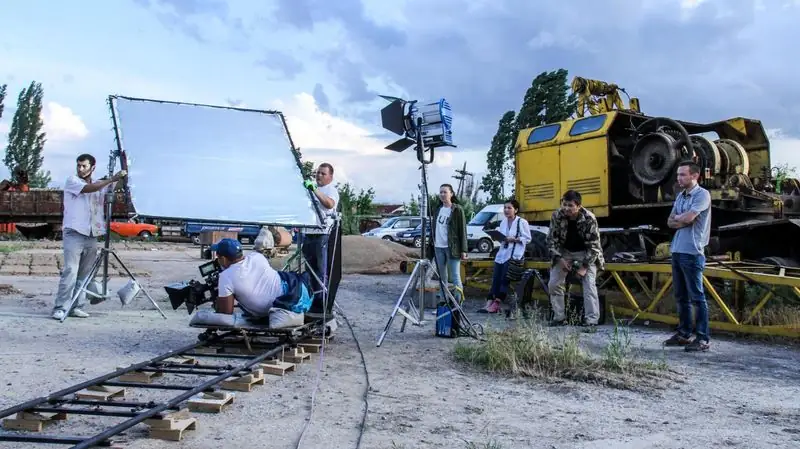 Crew and equipmentFilm crew, casting and equipment in KyrgyzstanSpecialists from every department, casting and camera, lighting and sound rental in Bishkek.Read→
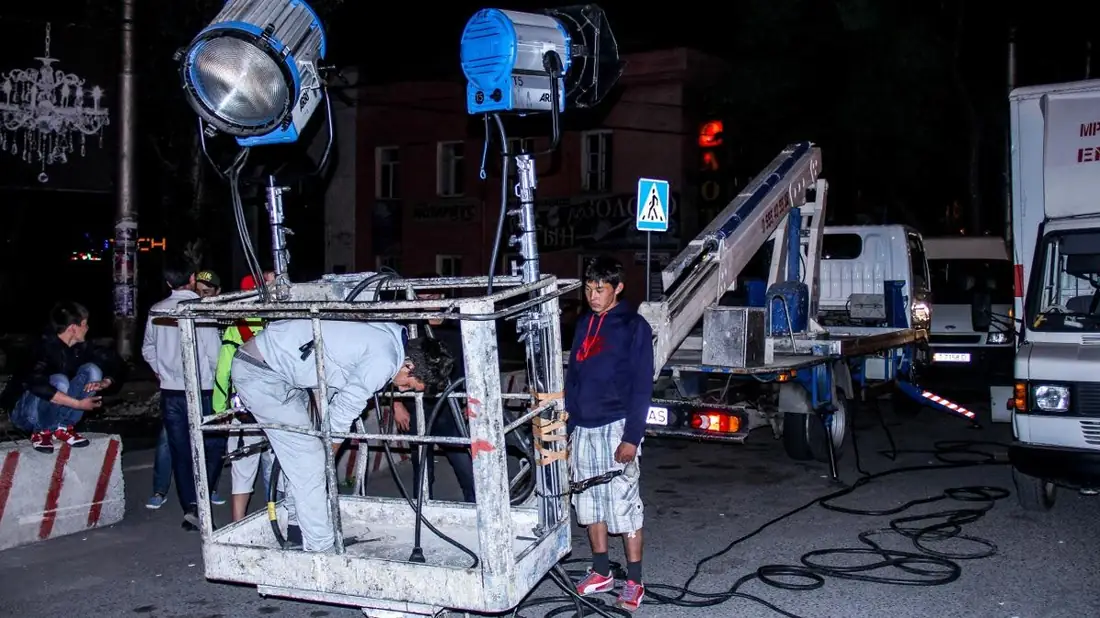 Work out the budgetCost of filming in KyrgyzstanA shooting day of about $2,600: crew of 13, ARRI Alexa Mini LF package and day rates by position.Read→
 Paperwork and travelFilming in Kyrgyzstan: questions foreign crews askVisas, ATA Carnet, season, safety, costs and how working with us goes.Read→
Didn’t find the right location?
We can run a location scout specifically for your script.
Updated: 2026-10-21